
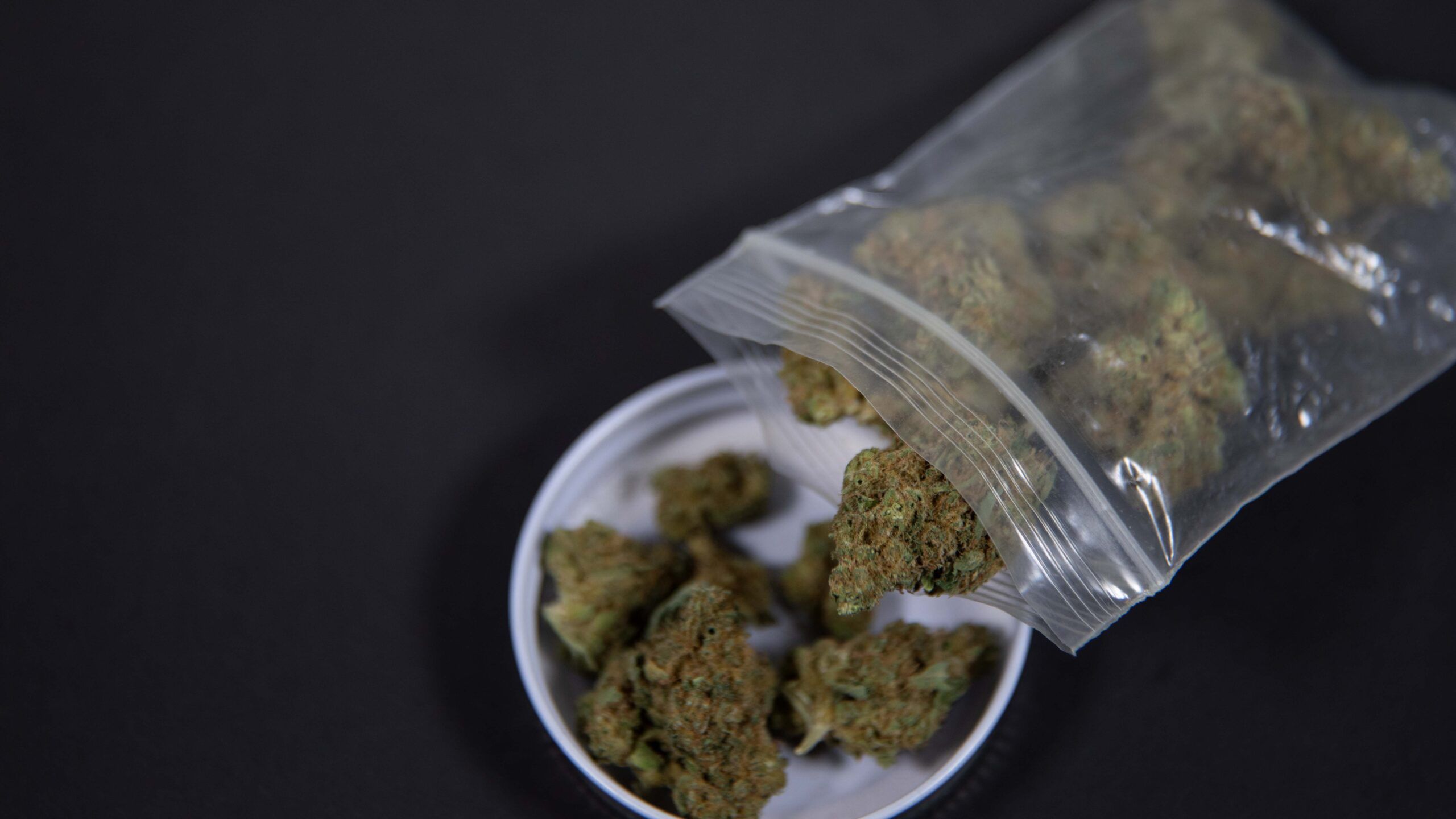
Cannabis myths have long been part of public discourse, colored by sensational media and outdated assumptions. We’ll explore some of the most persistent myths about cannabis, separating fiction from facts with clarity and credibility.
One common misconception is that cannabis is not addictive. In reality, research shows that roughly 9% of users become dependent, with rates doubling for those who start as teenagers and rising to 25–50% among daily users. Dependence can include mild withdrawal symptoms—like irritability, sleep issues, and appetite changes—which are often overlooked. While cannabis is far less addictive than substances such as nicotine or alcohol, it is not entirely without risk, especially when used heavily or at a young age.
Another myth holds that cannabis causes long-term memory loss. While THC may temporarily impair short-term memory, especially during intoxication, studies show there’s no strong evidence for permanent memory deficits in adults. However, adolescence remains a sensitive period, and early use may affect brain development and cognitive performance. This means timing, frequency, and dosage are all key factors in whether memory issues are temporary or long-lasting.
People sometimes argue cannabis is a gateway drug, inevitably leading to harder substances. However, the evidence shows otherwise: correlation doesn’t equal causation. Most individuals who use cannabis don’t go on to use harder drugs. Instead, factors like environment, genetics, mental health, and exposure to trauma play a much larger role in whether a person experiments with other substances. The gateway idea is more myth than reality and oversimplifies a very complex issue.
The stereotype of the “lazy stoner”—that cannabis users lack motivation—is another overblown myth. Newer research finds no meaningful differences in drive or reward-seeking among regular users versus non-users. In truth, some users even report enhanced creativity, better focus, or improved mood, depending on the strain and setting. Of course, overconsumption can make anyone sluggish, but that is very different from saying cannabis inherently makes people unmotivated.
Then there’s the idea that smoking cannabis is harmless because it’s natural. But “natural” doesn’t automatically equal safe. Cannabis smoke contains toxins and carcinogens similar to tobacco smoke, though the link to lung cancer remains inconclusive. Regular smoking may still irritate the lungs and lead to respiratory issues like bronchitis. And when used during pregnancy or breastfeeding, cannabis poses real risks to infant development—studies consistently recommend avoiding use entirely during these periods.
Finally, many assume cannabis has no medical value. Yet, medical research and approvals tell another story: compounds like THC and CBD are used to treat chronic pain, spasticity, seizure disorders, and more. For example, the FDA-approved epilepsy treatment Epidiolex is CBD-based—a clear sign of cannabis-derived therapies’ legitimacy. Beyond pharmaceuticals, patients worldwide report relief for anxiety, insomnia, and inflammation, underscoring how cannabis can play a meaningful role in health when responsibly managed.
In short, the truth about cannabis is far more nuanced than myths suggest. Addiction risk exists but is modest; memory impacts are usually temporary; cannabis isn’t a confirmed gateway drug; it doesn’t inherently sap motivation; smoking carries respiratory concerns; and cannabis offers real medical benefits in controlled contexts. Understanding these nuances helps consumers make informed, harm-reduced choices.